The Rise of AI Female Influencers: The Digital Revolution Transforming Social Media
Introduction
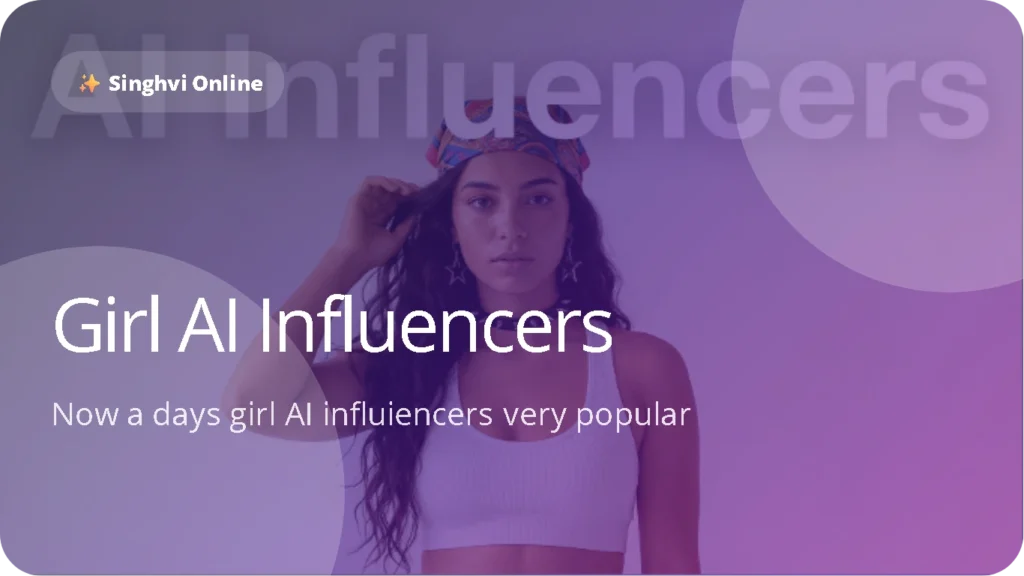
In an era where technology continues to blur the lines between reality and virtual existence, a fascinating trend has emerged on social media platforms worldwide: AI-generated female influencers. These aren’t just computer-generated images—they’re fully fleshed-out digital personalities with distinct styles, personalities, and millions of engaged followers. Welcome to the future of influence, where code meets charisma.
What Are AI Influencers?
AI influencers are virtual personalities created using advanced computer graphics, artificial intelligence, and machine learning technologies. Unlike traditional influencers, these digital beings don’t exist in the physical world, yet they post content, engage with followers, collaborate with brands, and even release music—all while maintaining consistent personalities and aesthetics.
Why Are AI Female Influencers So Popular?
- Complete Brand Control
Brands can exercise total creative control over AI influencers. There are no scheduling conflicts, personal scandals, or aging concerns. These virtual personalities can be available 24/7 and maintain a consistent image that aligns perfectly with brand values. - Cost-Effective in the Long Run
While initial development costs can be significant, AI influencers don’t require travel expenses, accommodation, or traditional compensation packages. Lil Miquela reportedly charges around $10,000 per Instagram post, and Spanish AI model Aitana Lopez earns around $10,000 a month—competitive rates that offer brands unique value
www.getpassionfruit.com
. - Global Appeal Without Borders
AI influencers can be customized to appeal to specific demographics, cultures, and markets while maintaining a universal appeal that transcends geographical boundaries. - Meet the Pioneers: Top AI Female Influencers
Lil Miquela (@lilmiquela)
The OG of AI influencers, Lil Miquela remains one of the most recognizable virtual personalities with 2.4 million followers. Created in 2016, this 19-year-old Brazilian-American model and musical artist has partnered with luxury brands like Prada and Calvin Klein. Her distinct style and relatable personality continue to captivate audiences worldwide
. - Novelty Factor
In a saturated influencer market, AI personalities offer something fresh and intriguing. The curiosity factor drives engagement as audiences are fascinated by the intersection of technology and social media.
1. Aitana López (@fit_aitana)
Spain’s first 100% AI-generated influencer has taken the digital world by storm. This 25-year-old pink-haired fitness enthusiast from Barcelona is one of the most commercially successful virtual humans globally. She represents a new wave of specialized AI influencers focusing on specific niches.
2. Lu do Magalu (@magalu)
Leading the earnings chart, Lu do Magalu has become Brazil’s beloved virtual influencer, representing Magazine Luiza and demonstrating how AI personalities can successfully drive e-commerce and brand loyalty.
3. Shudu (@shudu.gram)
Known as the world’s first digital supermodel, Shudu has worked with major fashion brands and represents the high-fashion end of AI influencing.
4. Imma (@imma.gram)
This Japanese AI model has gained international recognition for her unique aesthetic and has collaborated with major brands like IKEA and Porsche.
5. Rozy Oh
South Korea’s answer to AI influence, Rozy is a multi-talented virtual personality who works as a model, singer, DJ, and fashion influencer.
.
6. Kyra
India’s pioneering AI influencer, representing the growing trend of localized virtual personalities in emerging markets.
.
The Business of Virtual Influence
Revenue Streams
AI influencers generate income through:
1. Sponsored posts and brand partnerships
2. Product placements
3. Music releases and entertainment
4. Merchandise sales
5. Appearance fees (virtual events)
Marketing Impact
Brands are increasingly investing in AI influencers because they offer:
Predictability: No unexpected controversies or behavior issues
Scalability: Can appear in multiple places simultaneously
Customization: Can be tailored for specific campaigns or markets
Longevity: Won’t age or change unless creators decide to evolve them
The Technology Behind the Magic
Creating a successful AI influencer requires:
3D Modeling & CGI: High-quality rendering for realistic appearances
Machine Learning: For natural language processing and engagement
Content Strategy: Carefully planned posting schedules and themes
Storytelling: Compelling backstories and personality development
Community Management: Real teams managing interactions and engagement
Ethical Considerations and Controversies
The rise of AI influencers isn’t without debate:
Pros:
Opens new creative possibilities
Provides opportunities for innovative marketing
Can promote positive messages consistently
Reduces pressure on human models
Cons:
Raises questions about authenticity and transparency
May contribute to unrealistic beauty standards
Could impact jobs for human influencers and models
Concerns about disclosure and deception
The Transparency Question:
Should AI influencers be required to clearly disclose their virtual nature? Most successful AI influencers now maintain transparency about their digital existence, but the conversation continues.
The Future of AI Influencers
What’s Next?
Hyper-Personalization: AI influencers that can interact individually with millions of followers simultaneously
Virtual Reality Integration: AI influencers appearing in VR spaces and metaverse platforms
AI-Human Collaborations: Partnerships between virtual and human influencers
Niche Specialization: More AI influencers focusing on specific interests like wellness, sustainability, or education.
Advanced Interactivity: Real-time, AI-powered conversations with followers
Global Expansion: More regional AI influencers tailored to local cultures and languages
What This Means for Brands and Marketers
Opportunities:
Innovation Leadership: Early adopters can position themselves as forward-thinking
Targeted Campaigns: AI influencers can be customized for specific demographics
Consistent Messaging: Brand values are always upheld
Measurable ROI: Every aspect can be tracked and optimized
Best Practices:
Maintain transparency with audiences
Ensure the AI influencer aligns with brand values
Create authentic, engaging content
Don’t replace human connection entirely—complement it
Stay updated on regulations and disclosure requirements
Conclusion: The Digital Dawn
AI female influencers represent more than just a marketing trend—they’re a glimpse into the future of digital interaction, celebrity culture, and brand communication. With personalities like Lil Miquela leading 2.4 million followers and newcomers like Aitana Lopez earning substantial incomes, the viability of virtual influence is undeniable.
.
As we move forward, the question isn’t whether AI influencers will continue to grow in popularity, but how they will evolve and what role they’ll play in shaping our digital landscape. Will they coexist with human influencers, or will they dominate certain niches? Only time will tell.
What’s certain is that we’re witnessing a paradigm shift in social media influence—one where pixels and algorithms are just as influential as flesh and blood.
What do you think about AI influencers? Are they the future of social media marketing, or just a passing trend? Share your thoughts in the comments below!